
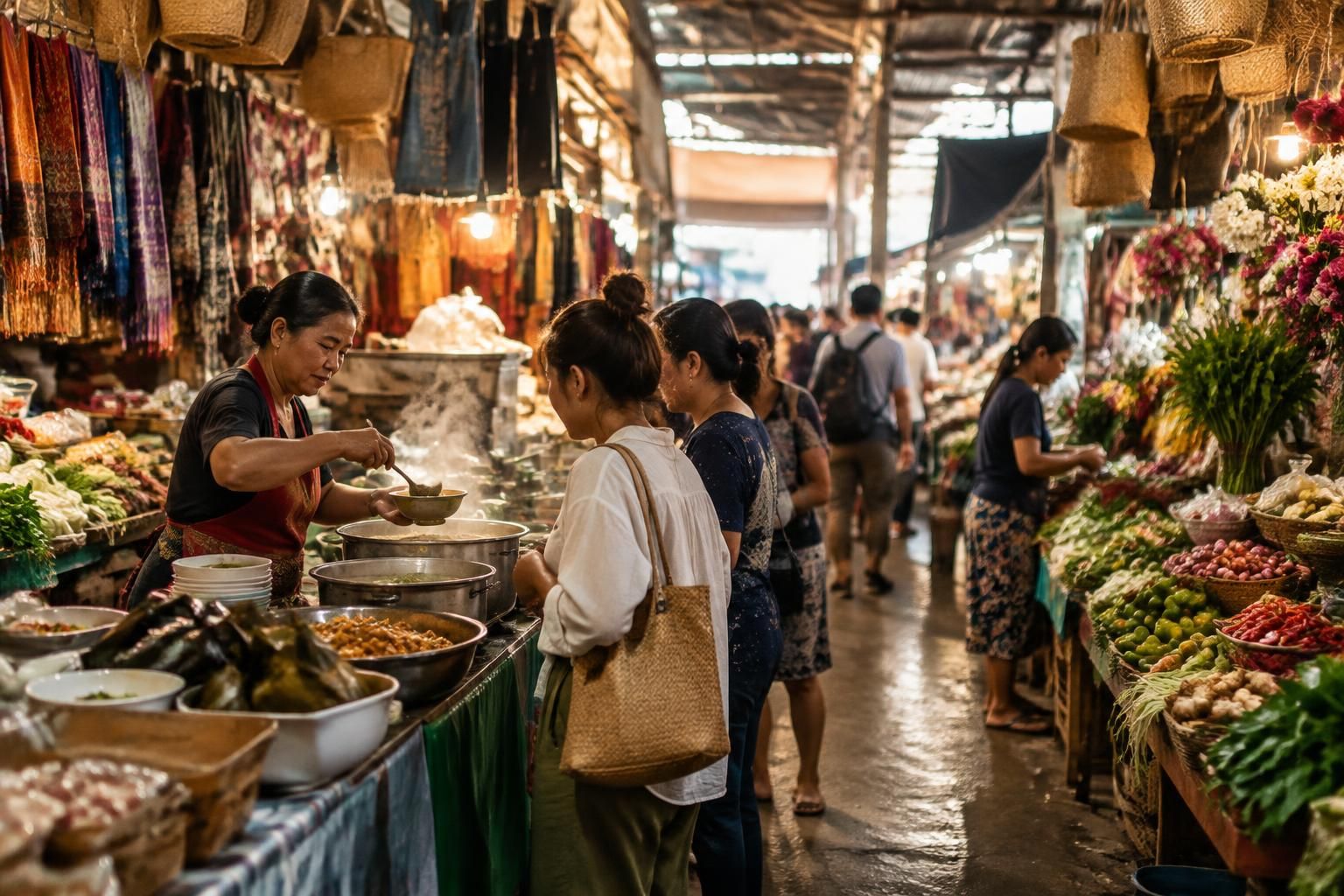
At Warorot Market, shopping lists might include jasmine garlands, a length of cotton, grilled sausage and something practical for the kitchen. Known locally as Kad Luang, this busy Chiang Mai market serves residents, traders and visitors in a neighborhood shaped by Northern Thai and Thai-Chinese traditions. Its indoor stalls are busiest during the day, while nearby streets develop a different rhythm as evening food vendors set up.
For a first-time visitor, the choice is not simply what to buy. An early start brings flowers and breakfast; a later visit leaves more time for clothing, fabric and packaged treats. The adjoining Ton Lam Yai Market, the Ping River and the streets of Chinatown make it easy to turn a shopping trip into a longer neighborhood walk.
At a glance
- Best for: Northern Thai food, everyday shopping, textiles, flowers and a glimpse of local life.
- Morning: Visit for fresh produce, breakfast stalls and Ton Lam Yai’s flower sellers.
- Daytime: Browse the indoor market’s food counters and upper-floor shops.
- Evening: Look for street food on surrounding roads; individual stalls keep their own hours.
- Bring: Cash in small denominations, water, comfortable footwear and room in a shopping bag.
Warorot Market in Chiang Mai: Location, Layout and the Best Time to Visit
Warorot Market sits in Chiang Mai’s Chang Moi area, close to the Ping River and the city’s historic Chinatown. The formal name refers to the main market building, while Kad Luang, meaning “big market” in Northern Thai, is also used for the wider shopping district around it.
Next door, Ton Lam Yai Market is particularly associated with flowers and fresh goods. Together, the neighboring markets form a useful starting point for understanding the area: one building draws shoppers toward food and household supplies, while adjoining streets lead to garlands, fruit and riverside commerce.
Finding the Market from Chiang Mai’s Old City
From the area around Tha Phae Gate, the market is generally a walk of about 10 to 20 minutes, depending on the route and pace. Head east toward Chang Moi Road and follow it in the direction of the river, checking a map at junctions where smaller streets branch away.
The route is part of the experience. Shopfronts gradually become more focused on daily necessities, and Chinese-style signs, small shrines and specialist stores offer reasons to slow down before reaching the busiest aisles.
Travelers staying near the Night Bazaar can approach from the south, while those in Nimman may prefer a Grab car or a red songthaew. Tell a songthaew driver the destination and agree on the fare before boarding; traffic can make short journeys slower than expected.
Warorot Market Hours: Morning, Daytime and Evening
The market area does not operate to one universal timetable. Individual sellers open and close according to what they sell, and holidays can change the pattern, so the following windows are planning guides rather than guarantees.
| Time | What to look for | Best use of the visit |
|---|---|---|
| Around 6:00–10:00 | Flowers, produce and breakfast vendors | Explore before the hottest part of the day |
| Around 10:00–16:00 | Indoor food stalls, clothing and textiles | Compare goods and browse multiple floors |
| Late afternoon | Some daytime sellers closing and outdoor stalls preparing | Combine remaining shopping with a neighborhood walk |
| Around 18:00–22:00 | Food vendors on surrounding streets | Find an informal evening meal |
Imagine a visitor named Maya arriving at 8:00 a.m. She can begin among the flowers, pick up breakfast, then move indoors as more shops open; someone arriving after dark should instead expect an outdoor food outing, not a fully open department-store-style market.
In the hotter months, particularly March through May, the covered passages can feel warm and crowded. An early visit, a water bottle and a flexible pace make the experience more comfortable, especially for families or anyone sensitive to heat.
Most parts of the market district trade daily, but check current listings or ask accommodation staff about specific stalls and holiday closures. Knowing which part opens when makes the next decision easier: where to begin eating.
What to Eat at Warorot Market: Northern Thai Food and Street Snacks
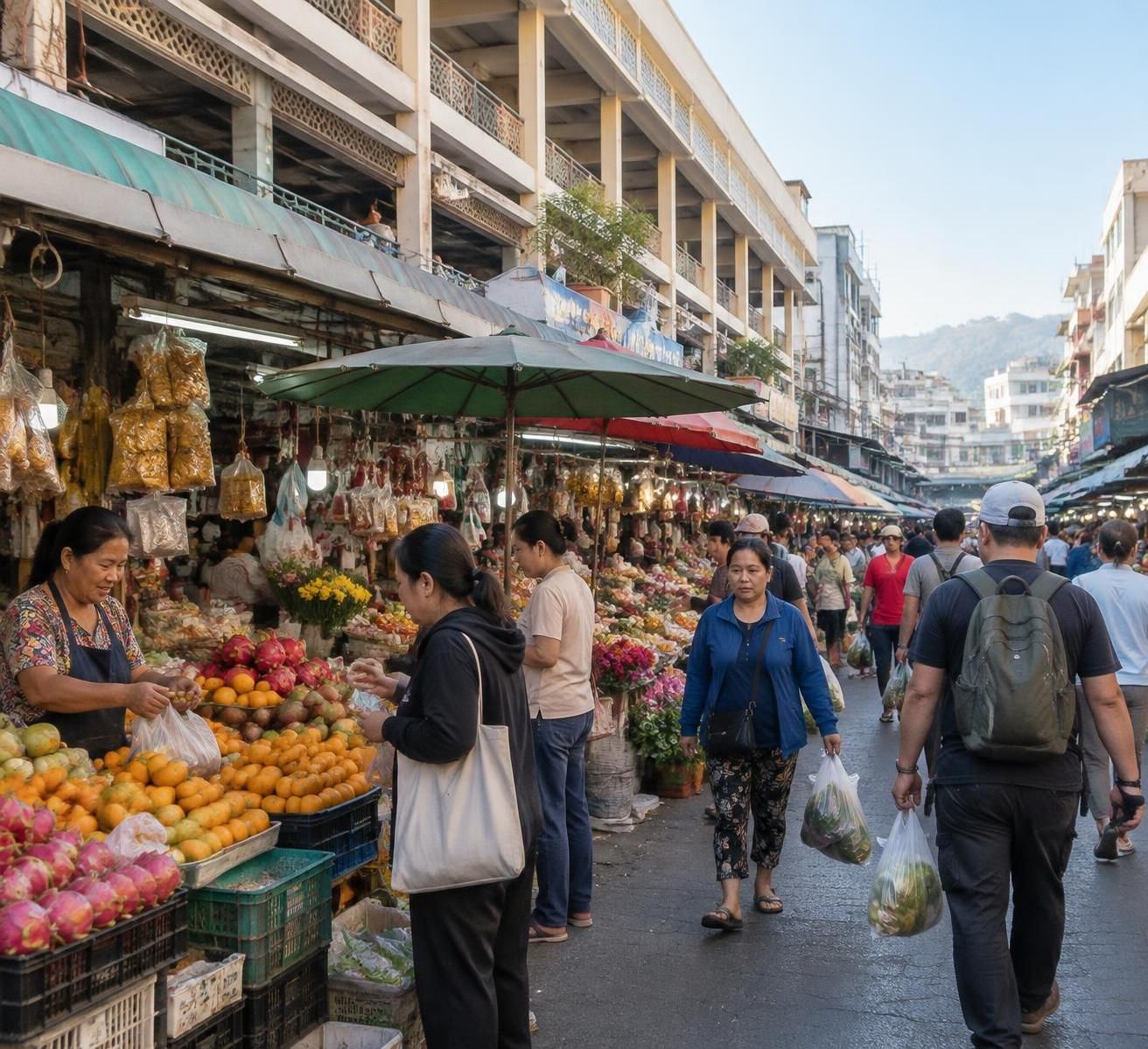
Food is one of the most rewarding reasons to visit Kad Luang, whether the plan is a full breakfast or a succession of small bites. The ground-floor counters offer prepared dishes, ingredients and packaged treats, while vendors in the surrounding streets add to the choices later in the day.
Northern Thai local cuisine often emphasizes herbs, chilies and savory depth. A few dishes are especially useful starting points because they show how different textures and flavors come together in a meal rather than appearing as isolated snacks.
Northern Thai Specialties to Try at Kad Luang
Sai ua, the region’s aromatic grilled sausage, is seasoned with ingredients such as lemongrass, makrut lime leaf and galangal. Ask for a small portion if available, then pair it with sticky rice for a filling snack that is easy to share.
Chili dips are another good choice. Nam phrik num features green chilies, while nam phrik ong combines tomato and minced pork; both can be eaten with vegetables, sticky rice or crisp pork rinds.
The contrast matters: a cooling cucumber or a handful of greens softens the heat of a dip, while a pork rind adds crunch. For Maya, a shared portion offers a practical way to taste two sauces without committing to an oversized meal.
Look around the market district for khao soi, Chiang Mai’s curry noodle soup, served with soft noodles and a crisp topping. Availability depends on the vendor and time of day, so it is worth treating a promising stall as an opportunity rather than assuming every counter sells the dish.
Fried pork, often sold by weight or in ready-packed portions, makes another convenient choice with sticky rice. Check the display and ask for the portion size before ordering, especially when several cuts or preparations are available.
Thai Snacks, Fruit and Drinks for a Market Walk
Among the Thai snacks to look for are khanom krok, small coconut-rice cakes cooked in a dimpled pan. Freshly made pieces have soft centers and lightly crisp edges, making them especially appealing when served warm.
Fried banana or sweet potato can satisfy a sweet tooth without requiring a sit-down stop. Fruit sellers provide a fresher alternative, with seasonal produce changing the selection throughout the year.
Traditional Thai iced coffee, sometimes sold as oliang, is a strong, sweet drink served over ice. Ask how it is prepared if avoiding dairy or excess sugar, since recipes and additions vary from cart to cart.
For food safety, choose busy counters with brisk turnover and pay attention to how hot and cold items are stored. A queue can be a useful clue to popularity, but visible cooking, clean handling and food served at an appropriate temperature matter too.
Dietary restrictions deserve care: sausage and some dips contain pork, while sauces and prepared dishes can include fish sauce, shrimp paste or other ingredients that are not obvious from appearance. A translated allergy note can help, although anyone with a serious allergy should make sure the vendor understands cross-contact as well as the ingredients.
Simple dishes and snacks can be inexpensive, but prices depend on portion, ingredients and stall. Check the displayed price or ask before ordering; the same practical habit will serve visitors well when they move from the food counters to the shops upstairs.
Shopping at Warorot Market: Dried Fruit, Textiles and Useful Souvenirs
Warorot’s appeal as a shopping destination lies in its variety. Ground-floor stalls stock edible goods and ingredients, while upper levels contain clothing, fabric, accessories and the practical supplies that local shoppers need throughout the week.
This is a working marketplace rather than a single curated craft gallery. Browsing slowly helps distinguish an appealing gift from an everyday item that happens to be useful for the rest of a trip.
Edible Gifts from Chiang Mai’s Market Stalls
Dried longan is a characteristic regional purchase. The small fruit becomes intensely sweet as it dries, and vendors may sell it loose or in sealed packs; compare the appearance, packaging date and price per weight before choosing.
Dried mango, banana and mixed fruit can also be easy to carry. A sealed package is convenient for a journey, but travelers should check the destination country’s customs and food-import rules before taking any fruit, meat or plant product across a border.
Tea and coffee offer another way to bring a taste of northern Thailand home. Look for regional coffee beans or ground coffee, and ask about the roast date and grind if the information is not on the label.
Herbal infusions made with ingredients such as lemongrass, roselle or butterfly pea can make attractive gifts. They are enjoyable as drinks, but a seller’s description should not be treated as medical advice or a promise of health benefits.
Spices and curry pastes are tempting for cooks, though fresh pastes may need refrigeration and careful packing. For a long journey, a commercially sealed product with a clear ingredient list and storage instructions is generally easier to manage.
Clothing, Fabric and Everyday Finds Upstairs
On the upper floors, expect casual clothing, bags, sewing supplies and fabrics sold for practical use. A lightweight shirt or simple pair of trousers can be a useful purchase for a longer stay, particularly if laundry day is approaching.
Sizes are not always consistent between brands or countries. Hold an item against a garment that already fits, ask whether trying it on is possible, and inspect seams, zips and fastenings before paying.
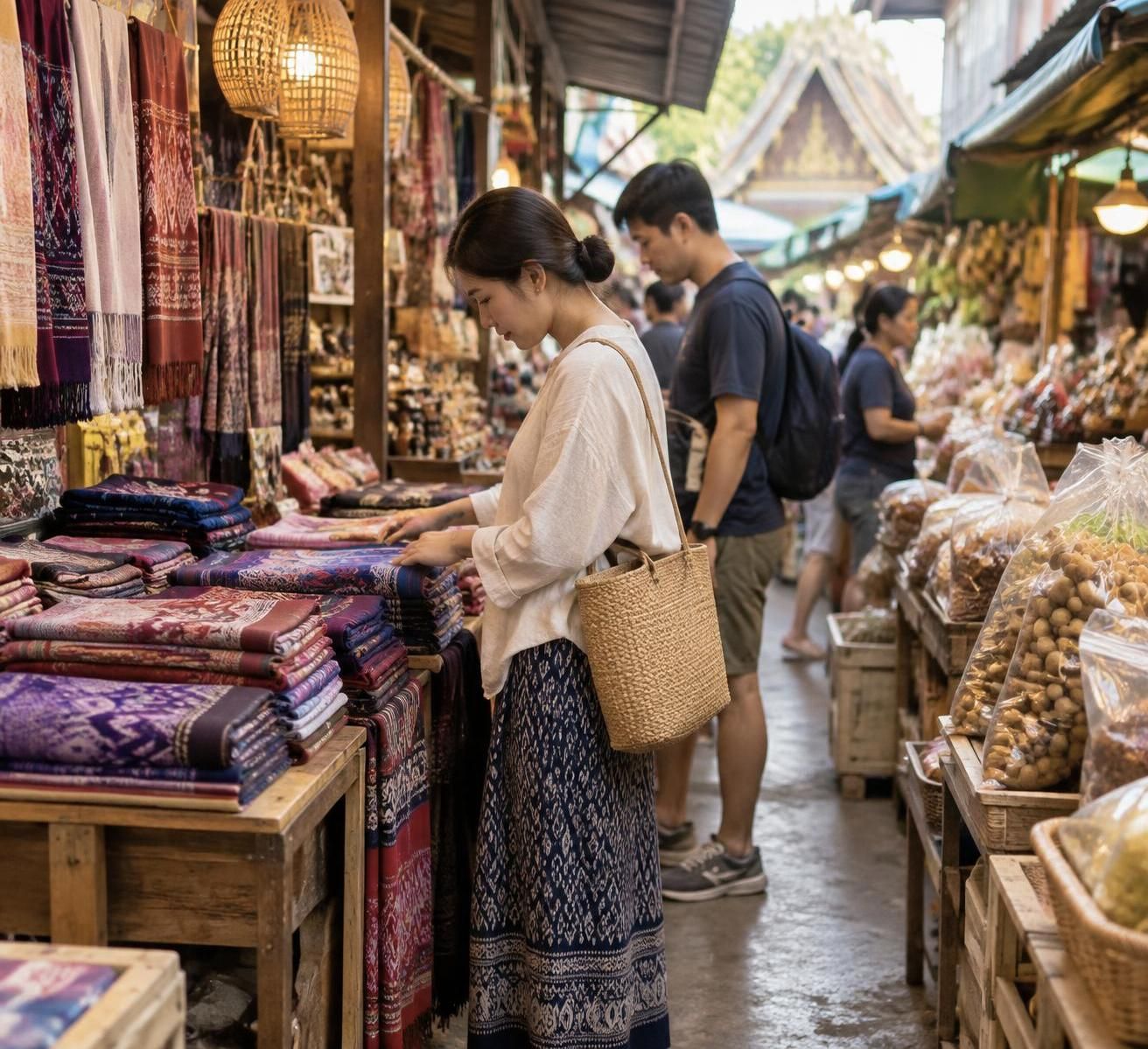
Fabric shoppers can compare texture, weight, width and price per meter. Maya, for example, might buy a small length of cotton for a sewing project rather than choosing a finished souvenir whose materials and origin are unclear.
Some stalls sell textiles or decorative items that may appeal to visitors looking for handicrafts, but production methods vary. Ask who made an item and where it comes from if handmade work or a particular community’s weaving tradition matters to the purchase.
Prices and Bargaining at Warorot Market
Many food items and packaged goods have fixed prices. Clothing, fabric or several items bought together may allow room for a modest discount, but a friendly question is more appropriate than a prolonged negotiation over a small amount.
Cash remains useful, especially in smaller denominations. Some vendors accept digital payment, but visitors should not assume an international card or banking app will work at every stall.
Prices can be attractive, particularly for everyday goods, yet there is no reliable blanket discount that applies to every product. Comparing like with like, checking quality and accepting a fair price makes shopping easier for both customer and seller—and leaves more attention for the neighborhood beyond the merchandise.
Warorot Market and Local Culture: Ton Lam Yai, Chinatown and Daily Life
The market is more than a place to collect souvenirs. Its busiest moments reveal how flowers, food and household goods move through a neighborhood where residents, shopkeepers and visitors share the same narrow streets.
Warorot has been part of Chiang Mai’s commercial life for generations, and the surrounding district reflects long-standing Northern Thai and Thai-Chinese connections. Looking beyond a single stall helps explain why the market feels different from a shopping center designed around visitors.
Ton Lam Yai Flower Market and Traditional Offerings
At neighboring Ton Lam Yai, flower sellers prepare bundles and garlands for customers with many purposes. Bright marigolds, fragrant jasmine and lotus flowers may be bought for temples, home shrines, ceremonies or decoration.
A garland is therefore not simply a colorful object for a photograph. It can be part of an act of respect or devotion, and the careful work of threading flowers together reflects skill as well as daily demand.
An early walk gives Maya time to watch this work without rushing. If she wants a photograph of a seller or a close-up of a person assembling offerings, a smile and a request for permission allow the subject to decide whether to participate.
Even a brief interaction can be more rewarding than photographing from directly in front of someone’s workspace. Step aside when a customer arrives, avoid touching arrangements without asking and remember that a busy vendor may not have time for a conversation.
Thai-Chinese Heritage Around Warorot Market
The surrounding streets are associated with Chiang Mai’s Chinatown, where specialist shops, food traditions and small Chinese shrines add layers to the commercial landscape. Some shopfronts serve residents looking for ingredients or household items rather than presenting themselves as attractions.
That distinction is worth keeping in mind. What looks like an unusual display to a visitor may be part of an ordinary shopping routine for the person standing beside it.
Food provides a particularly accessible way to notice cultural exchange. Alongside Northern Thai preparations, visitors may encounter Chinese-influenced pastries and ingredients, showing how communities have contributed to the area’s eating habits over time.
Before entering a shrine or temple, check signs and observe how others behave. Modest clothing is a considerate choice, and shoes may need to be removed in sacred interiors; rules can differ from place to place.
Experiencing Traditional Culture with Respect
Warorot welcomes curiosity, but curiosity works best when it does not interrupt business. Keep aisles clear, move to one side to inspect purchases and avoid blocking a counter while deciding what to order.
A simple Thai greeting, such as sawasdee kha or sawasdee khrap, can be a courteous way to begin an exchange. Pointing to an item or using a translation app is also practical when there is no shared language.
Not every vendor expects a conversation, and a polite refusal of a photograph or discount should be accepted without pressure. These small decisions respect the fact that people are working, not performing for an audience.
For visitors seeking a polished evening stroll, Chiang Mai’s walking streets may offer a different selection of crafts and entertainment. Kad Luang’s value is its continuing usefulness to the city: that everyday character is also what makes thoughtful timing and preparation important.
Planning a Warorot Market Visit: Routes, Comfort and Evening Food
A good market visit does not need a rigid itinerary, but a little planning prevents common frustrations. Decide whether the priority is breakfast, shopping or an evening meal, then leave space for the stalls and streets that catch the eye.
For Maya, a half-day route works because it follows the neighborhood’s changing pace. Starting with flowers and fresh goods means she can reach the indoor shops after they have had time to open, without trying to fit every possible purchase into one crowded hour.
A Practical Morning Route Through Kad Luang
Begin around 7:00 or 8:00 a.m. at Ton Lam Yai, where flower sellers and produce vendors are already at work. After looking around, cross toward the main Warorot building for a cooked breakfast or a selection of small snacks.
Spend the next part of the morning on the ground floor comparing dried fruit, sauces and drinks. Then head upstairs for clothing or fabric, allowing extra time if a purchase needs measuring or closer inspection.
By late morning, a walk through Chinatown or toward the Ping River offers a change of pace. A café stop or return to the accommodation can be welcome once the heat rises, particularly if the shopping bag has become heavier than expected.
Travelers with limited mobility or a stroller should expect narrow passages, crowds and uneven or wet surfaces in some areas. Access to upper floors and facilities may vary, so checking locally before relying on a particular route can make the day easier.
Evening Street Food and the Nearby Night Market
An afternoon visit can begin with indoor shopping before sellers close, followed by a walk through the neighborhood as food stalls set up. The outdoor scene is not identical every night: choices, opening times and locations depend on individual vendors.
For dinner, choose a few freshly prepared dishes rather than buying everything at the first counter. This gives companions a chance to share, compare flavors and stop when everyone has eaten enough.
The Chiang Mai Night Bazaar lies to the south and offers a more visitor-oriented night market experience. Combining the two areas can work well, provided there is no expectation that the same indoor shops stay open late.
For the journey back, a ride-hailing app can show a fare before booking. Tuk-tuks and songthaews remain options too; agree on the price and destination before setting off, especially when several people are traveling together.
Comfort, Cash and Market Etiquette
Wear secure shoes with reasonable grip: produce areas can be damp, and crowded aisles are easier to navigate without loose footwear. Carry water, keep valuables close and take a break if the heat or noise becomes tiring.
Toilets may be available inside the market, sometimes for a small fee. Tissues and hand sanitizer are useful additions to a day bag, as are a reusable shopping bag and a little cash for small purchases.
Families can make the visit manageable by choosing one goal for each part of the walk: flowers first, a snack next, then a short browse. A meeting point outside the busiest aisles helps if the group separates, while short pauses keep the outing from becoming overwhelming.
Before leaving with food, consider how long it will sit unrefrigerated and whether it will survive the journey intact. A small, well-chosen purchase is often more enjoyable than a large bag of things that cannot be stored or shared in time.
The most useful plan is one that fits the traveler as well as the market: start early for flowers and breakfast, or arrive later for an unhurried evening meal, and let the vendors’ own schedules guide the rest.