
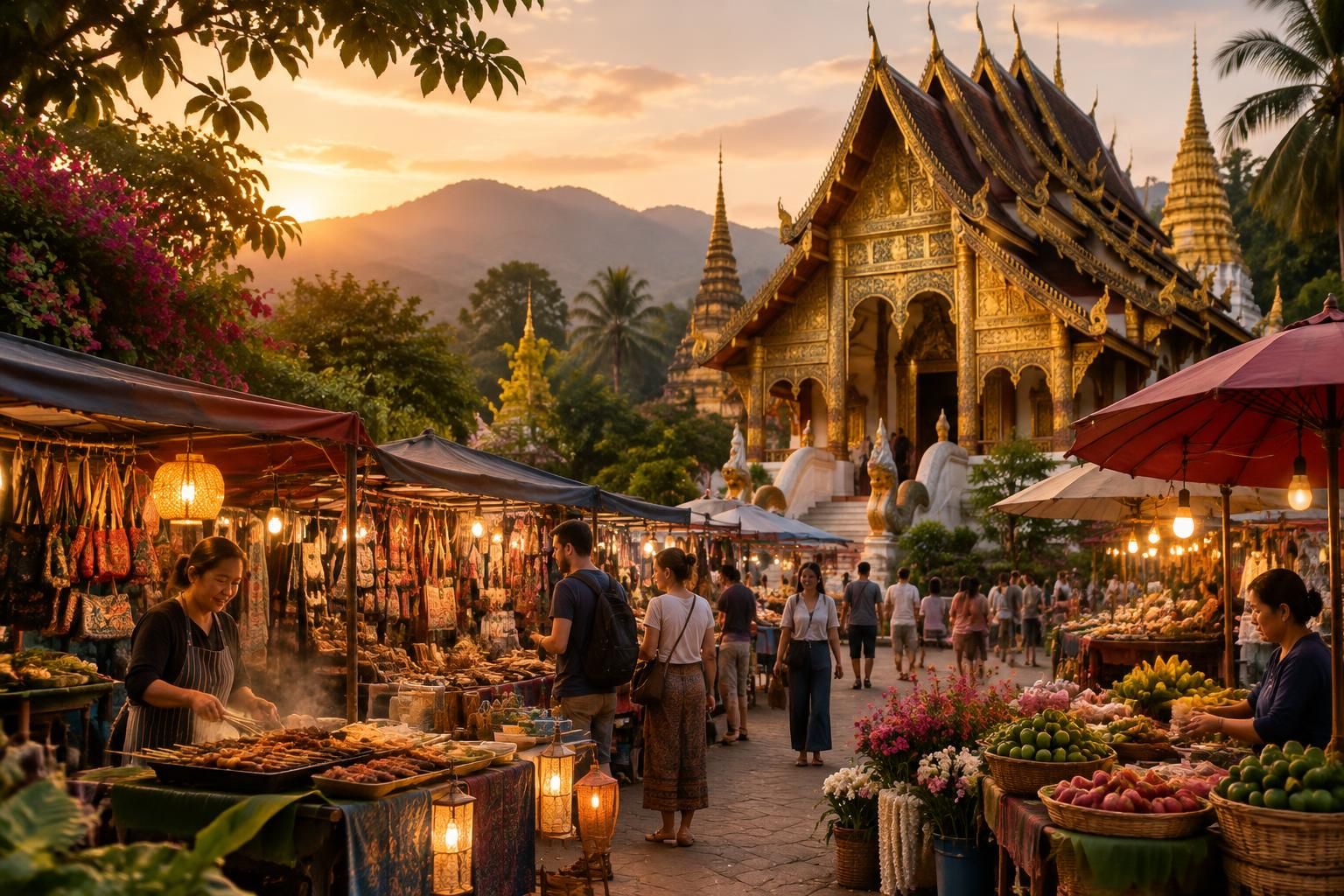
At dawn, the mountain above Chiang Mai can disappear into cloud while the Old City’s temple courtyards are already coming to life. By evening, the same streets may be filled with food stalls, musicians and shoppers browsing handmade goods. The appeal is not a single landmark but the ease of moving between sacred places, neighbourhood routines and the forested hills of northern Thailand.
A rewarding stay leaves room for both discovery and rest. Visit Wat Phra That Doi Suthep, choose a few city temples, taste khao soi and spend an evening at a market; then add a cooking class or a thoughtfully selected nature trip. For a traveller such as Maya, arriving with a backpack and four free days, that means resisting the urge to book every hour. It also means checking transport, weather and animal-welfare practices before committing to an excursion. Three to five days offers a comfortable starting point, with longer stays allowing time for mountain trips or onward travel. Whether the priority is a quiet courtyard or a lively dinner, the most memorable experiences often happen when there is enough space to notice the details.
At a glance
- For temples: pair Doi Suthep with two or three carefully chosen Old City sites.
- For food: try khao soi, explore a walking street and compare hands-on cooking classes.
- For nature: dedicate a full day to Doi Inthanon or research an observation-focused elephant visit.
- For an easier stay: choose a convenient neighbourhood, check air quality and keep some time unplanned.
Chiang Mai Temples: Doi Suthep and the Old City
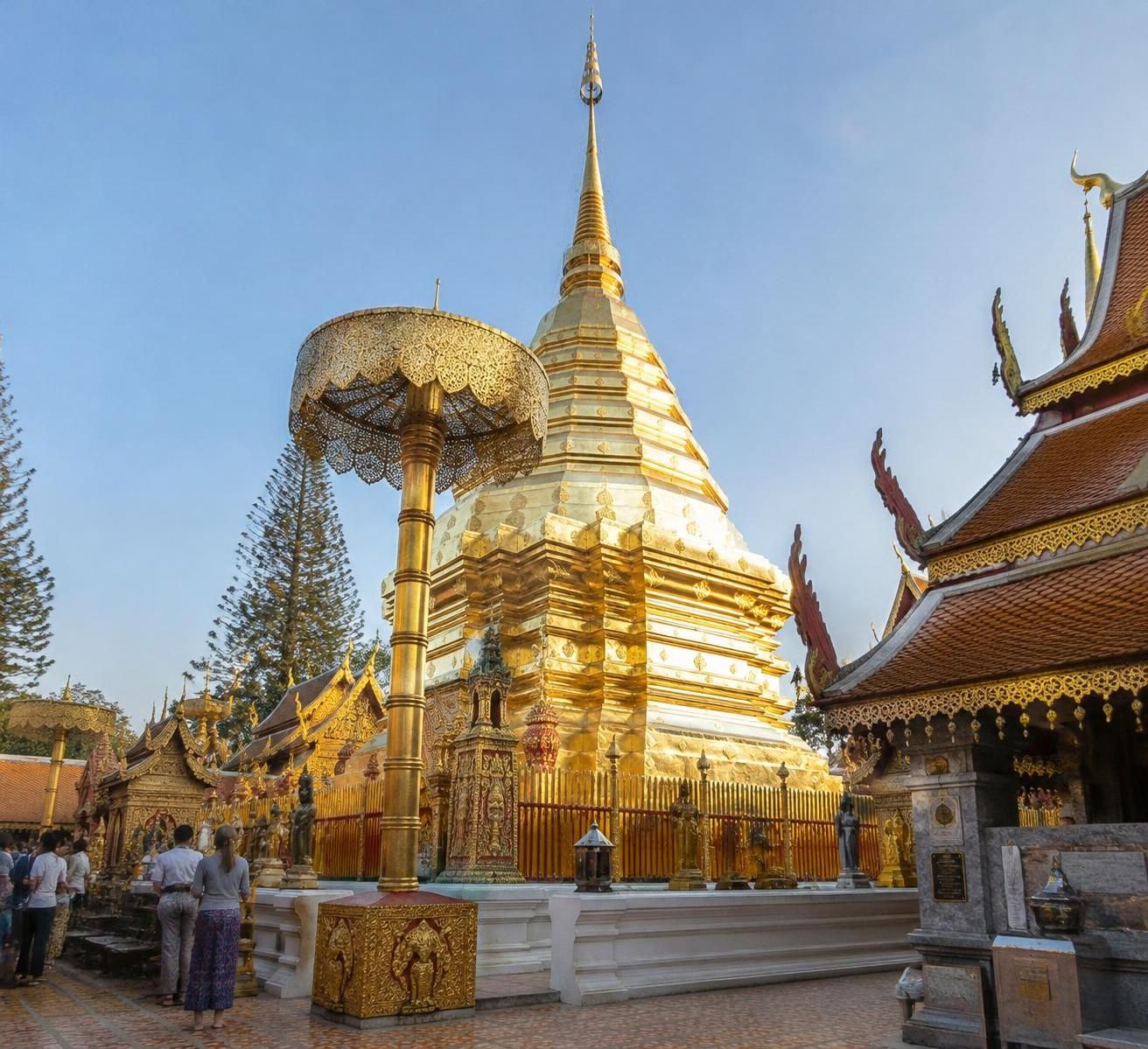
Start with Wat Phra That Doi Suthep, a mountain temple whose golden chedi and elevated setting make the journey part of the experience. It is an active place of worship, so the atmosphere deserves as much attention as the view over Chiang Mai.
Allow approximately half a day for the uphill journey, the visit and the return. Maya arranges a return ride before leaving the city rather than assuming transport will be waiting at the entrance; that small decision makes it easier to enjoy the visit without watching the clock.
Early morning can be a pleasant time to arrive, while later in the day offers a different light. Clouds or seasonal haze can obscure the panorama, but the temple’s architecture, devotional objects and mountain surroundings still make a visit worthwhile.
Dress with shoulders and knees covered, remove shoes where signs or local practice indicate, and give worshippers space. A light layer is useful for modesty as well as for the cooler mountain air, and visitors who prefer not to climb the long staircase can check the current availability of an alternative ascent.
Choose Chiang Mai temples with contrasting stories
Back inside the Old City, a selective walking route is more rewarding than trying to count every temple. Wat Chedi Luang’s immense brick chedi gives a sense of the scale of the historic Lanna kingdom, while Wat Phra Singh is known for its ornate religious buildings and revered Buddha image.
Wat Pan Tao offers another contrast with its teak prayer hall. Instead of rushing between them, spend a few minutes observing roof details, shaded courtyards and the way each site is used by residents as well as visitors.
A two- to three-hour loop is manageable for many travellers, particularly in the cooler part of the day. Carry water, pause at a café and check opening arrangements locally; heat and temple fatigue can make an ambitious walking plan feel much longer than it looks on a map.
Some temples arrange conversations with monks, often called monk chats. These are opportunities to ask thoughtful questions about Buddhist practice and daily life, not performances to photograph at close range; look for current schedules at the temple and follow the organisers’ guidance.
Wat Umong, outside the centre, is another option for travellers who want a quieter setting among trees and tunnels. Reaching it requires transport, so it fits better into a relaxed afternoon than a tightly packed Old City circuit.
At any religious site, a respectful visit also means speaking softly in prayer areas and asking before photographing people. Donations and entry arrangements vary, so carry some small notes rather than relying on an old online price.
The contrast between Doi Suthep’s mountain setting and the city’s varied places of worship is more illuminating than a long checklist. Once the walking is done, the streets around the temples lead naturally towards Chiang Mai’s food stalls and markets.
Night Markets and Local Food: What to Eat and Where to Wander
Chiang Mai’s night markets are as much about the pleasure of wandering as they are about shopping. Stalls offer snacks, drinks, clothing and crafts, but each market has its own schedule and character, so match the outing to the day rather than assuming every street operates nightly.
The Sunday Walking Street runs through the Old City and brings together food vendors, artists and shoppers in a lively pedestrian setting. Arriving before the busiest evening period gives Maya time to look around before choosing dinner; later, the crowds make the same route slower and more energetic.
On Saturday, Wua Lai Walking Street offers another evening outing, while the Night Bazaar area provides an option on other days. Check current operating times locally, carry cash in small denominations and keep belongings secure in crowded stretches.
Make room for khao soi and small plates
For a first bowl of khao soi, look for the northern Thai curry noodle soup served with a mixture of soft and crisp noodles. Lime, shallots, pickled greens and chilli commonly arrive alongside it, allowing each person to adjust the balance.
Taste the broth before adding the accompaniments: one cook’s version may be rich and gently spiced, while another’s is sharper or hotter. Trying it early in a stay leaves room to compare another bowl later, without treating the search for a single “best” version as an obligation.
Vegetarian travellers should ask specifically about the stock and seasonings. A dish without visible meat may still contain meat broth, fish sauce or shrimp paste; explaining dietary needs clearly helps a vendor suggest something suitable.
At an evening market, browse once before buying and share several small dishes if travelling with others. That approach leaves space for a savoury snack, a fruit drink and something sweet, rather than committing to a large meal at the first appealing stall.
Explore everyday shopping and traditional handicrafts
For a different view of local food, visit Warorot Market during the day. Its stalls serve everyday shoppers as well as visitors, making it a useful place to browse produce, packaged snacks and household goods rather than only souvenirs.
Ask your accommodation when to visit for the items that interest you, since fresh produce and prepared-food stalls may follow different rhythms from evening markets. Leave room for people carrying deliveries, ask prices clearly and request permission before taking close-up photographs.
Chiang Mai is also a place to look for traditional handicrafts, including textiles, woodwork and silverwork. When an item catches your eye, ask who made it and what materials were used; a conversation with the seller can turn a souvenir into a more meaningful purchase.
Not every handmade-looking object is locally produced, and careful questions are more useful than assumptions about authenticity. Paying a clearly stated price for work you value also supports a more respectful exchange than treating every interaction as a contest.
Markets reveal the ingredients and skills behind many northern dishes. A cooking class takes that curiosity one step further, giving travellers time to learn how those ingredients become a meal.
Thai Cooking Classes and Local Experiences in Chiang Mai
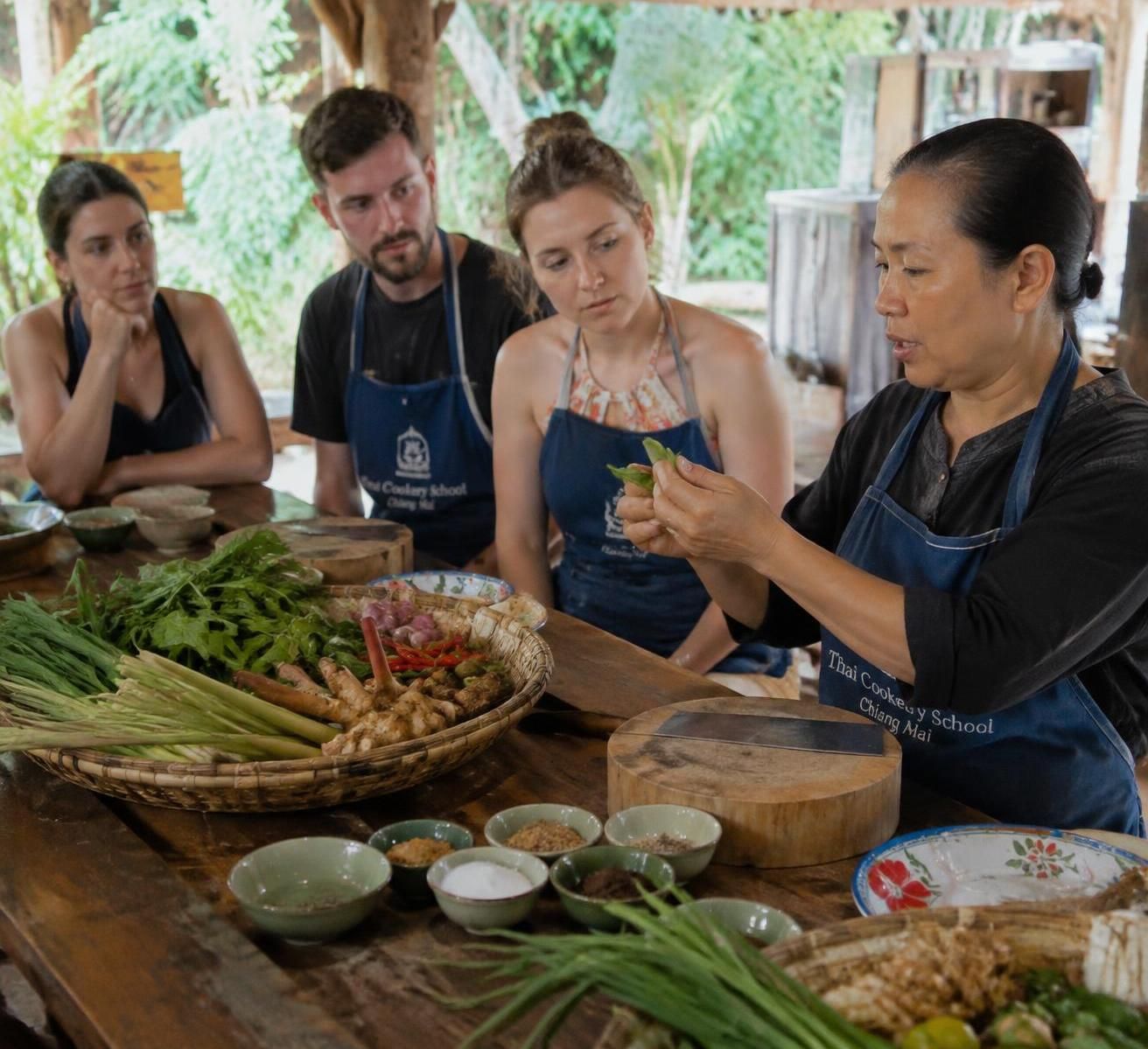
Thai cooking classes are a practical way to meet local instructors and understand flavours that might otherwise remain unfamiliar. Many programmes combine ingredient shopping, demonstrations, hands-on preparation and a shared meal, though the balance between these activities differs by provider.
Before booking, ask how many dishes participants cook themselves and whether everyone has an individual workstation. A smaller group can make it easier to ask questions, while a farm-based programme may offer more time to see herbs and vegetables growing.
A class is especially useful after a market visit. Maya recognises ingredients she noticed at a stall, then learns how an instructor balances aromatics, chilli and acidity in a finished dish; the market becomes easier to navigate the next time she visits.
Choose a class that fits your dietary needs
Tell the school about allergies and dietary requirements before paying. Fish sauce, shrimp paste, peanuts and meat stock may appear in dishes that look suitable at first glance, and a school needs enough notice to explain what it can safely adapt.
Ask whether substitutions are prepared separately if cross-contact is a concern. It is also worth checking the menu, pickup area, cancellation terms and whether a market visit is included, since a cheaper advertised class may cover a different experience from a longer programme.
Allow around half a day for a typical session and keep the following meal flexible. After preparing several dishes, most participants have already eaten well; a gentle neighbourhood walk may be more appealing than another immediate food booking.
For further ideas on planning time around the city, explore this Chiang Mai travel guide alongside current class details. The most useful choice is one that matches personal interests rather than simply promising the longest menu.
Find time for coffee, conversation and a massage
Nimmanhaemin, often shortened to Nimman, offers a contemporary contrast to the historic centre. Its cafés, boutiques and restaurants suit a relaxed afternoon, especially after a morning outdoors; browsing around One Nimman and stopping for coffee is enough to fill a few unhurried hours.
Travellers hoping to work from a café should check whether laptops are welcome and be considerate of busy periods. Those staying longer can try a coworking day pass and test their accommodation’s connection and noise levels before making a longer commitment.
A Thai massage can also provide a welcome pause after a long journey or a day on foot. Choose a place with clear prices, explain your preferred pressure and mention injuries or relevant health concerns before the treatment begins.
Speaking up if something hurts is entirely appropriate. Leaving a little time afterwards for water and a rest makes the experience more comfortable than squeezing it between two transport bookings.
For a final day, ask accommodation staff whether bags can be stored and confirm the collection deadline. A short café visit or neighbourhood walk then leaves room for luggage pickup and the journey to the airport without the pressure of a distant excursion.
These quieter activities show that a memorable local experience need not occupy an entire day. For travellers seeking the hills and wildlife beyond the city, the same principle of careful choices applies on a larger scale.
Doi Inthanon and Elephant Sanctuaries: Responsible Nature Trips
Doi Inthanon offers a change of pace from the city, with mountain scenery, waterfalls and access to the area around Thailand’s highest peak. It works best as a dedicated day trip rather than a brief add-on to another long excursion.
Allow roughly eight to ten hours including transport, with extra flexibility for traffic and weather. Maya chooses a trip that gives priority to walking and viewpoints rather than one promising a long list of stops with only a few minutes at each.
Check current park and trail access before departure, since weather and seasonal restrictions can affect routes. A warmer layer and rain protection are useful even when the city feels hot, and a backup stop helps if cloud or haze limits a planned view.
Compare elephant sanctuaries beyond the label
Visiting elephants can be meaningful, but the word “sanctuary” alone does not establish how animals are treated. Before booking elephant sanctuaries, ask what visitors actually do, how much space the animals have and how the operator explains its care practices.
Prioritise observation-focused programmes without riding, shows, tourist bathing or forced close-up photographs. An itinerary built around letting elephants move, feed and interact without constant visitor contact is a stronger starting point than one built around producing dramatic pictures.
Ask about group size, transport time and what happens if an elephant does not approach visitors. A responsible experience should not depend on making an animal perform on demand, and a single attractive photograph cannot confirm a venue’s current standards.
Elephant Nature Park is known as a rescue centre and does not offer elephant riding. As with any provider, review its current programmes directly and check that the specific visit matches your welfare expectations before booking.
If no available programme answers your questions clearly, choosing a nature day instead is a reasonable decision. Forest scenery, birdlife and walking trails can be rewarding without placing pressure on captive animals.
Plan mountain walks with local communities in mind
Guided walks around northern Thailand can offer insight into landscapes and the communities that care for them. Ask how a tour works with local guides, where the fee goes and whether visits to villages are welcomed by the residents themselves.
People’s homes and cultural practices are not attractions to enter without permission. Ask before taking photographs, follow the guide’s instructions and favour encounters that allow community members to decide how they participate.
Before any hike, discuss the distance, elevation, footwear and expected conditions with the operator. A route described as easy in a dry morning can feel very different after heavy rain, especially for someone with limited mobility or little hiking experience.
Air quality matters too. Smoke can affect northern Thailand, particularly during the burning season, so check current conditions before committing to strenuous outdoor activity or a long stay; a flexible indoor alternative is useful when the air is poor.
Mountain excursions are most satisfying when there is time to enjoy the place rather than merely reach it. The same care with travel times makes onward journeys to Chiang Rai or Pai far more comfortable.
Chiang Mai Day Trips, Transport and Places to Stay
Chiang Mai works well as a base, but not every northern destination makes a comfortable day trip. Before adding another pin to the map, compare the hours spent on the road with the time available at the destination.
A Chiang Rai excursion can take around ten to twelve hours including transport. Its White Temple, Blue Temple and Black House appeal to visitors interested in distinctive art and architecture, but an itinerary covering all three can leave little time at each stop.
Ask a tour operator for expected drive times, stop lengths and inclusions before booking. If those sites are a major priority, an overnight stay in Chiang Rai can make the journey feel less like a sequence of quick photographs.
Give Pai and longer routes enough time
Pai is better treated as an onward stay than a casual Chiang Mai day trip. The winding mountain road takes a significant part of the day, so a daytime transfer and at least a couple of nights in Pai make more sense when the route fits the wider itinerary.
Travellers prone to motion sickness can prepare accordingly and avoid a tight connection immediately after arrival. Renting a scooter is not necessary to justify the trip; choose transport according to experience, licensing and comfort rather than social pressure.
The Mae Hong Son Loop is a separate, longer journey through mountain towns and landscapes. Anyone considering it should allow several days, assess road and weather conditions, and make sure their licence and insurance cover the vehicle being used.
Choose a convenient Chiang Mai neighbourhood
The Old City is a practical first base for temple visits, hostels and short walks. Nimman suits travellers who value cafés and a more contemporary setting, while the Night Bazaar area is convenient for evening shopping and food.
The riverside can feel calmer, and accommodation outside town may suit a retreat, though longer journeys into the centre matter on a short stay. Maya chooses a guesthouse near the Old City for her first visit, then spends an afternoon in Nimman rather than changing accommodation.
For short journeys, walking, Grab and shared songthaews cover many needs. Tell a songthaew driver the destination and confirm whether the quoted fare is per person or for the vehicle before boarding; vehicle colours and routes differ.
With an app ride, check the driver and vehicle details and use the stated pickup point. Longer bus, van or train journeys are worth arranging in advance when the timing is important, while ordinary neighbourhood outings can remain flexible.
| Time available | Practical plan | Space to protect |
|---|---|---|
| Two days | Doi Suthep, a few Old City temples and a market evening | A relaxed meal and travel time |
| Four days | Add a cooking class and one nature or elephant-focused day | A café or massage afternoon |
| Five days or more | Consider Doi Inthanon, Chiang Rai or an onward stay in Pai | An unplanned day between long journeys |
November to February is often a comfortable period for a visit, although it is also popular. Conditions change, so check current weather and air-quality information rather than relying solely on the calendar.
For more neighbourhood and activity ideas, consult these tips for exploring Chiang Mai before finalising bookings. A little flexibility in the schedule makes it easier to respond to traffic, weather and the unexpected places worth lingering in.